Posts by madwire
How to Know if Your Building Has Lead Paint
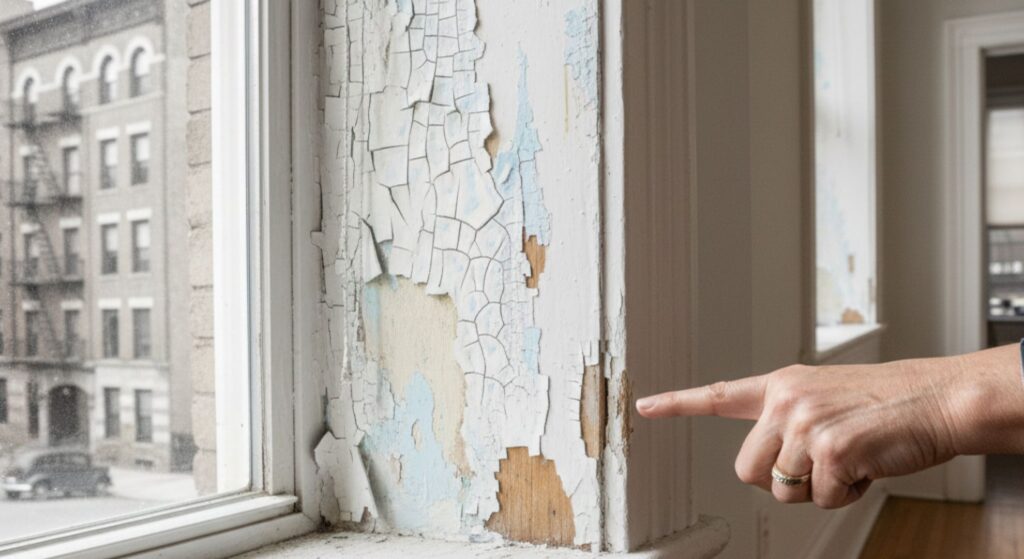
If your property was constructed before 1978, the potential for lead-based paint is a serious, unavoidable reality. As environmental health experts serving NYC, ENVIRO NYC recognizes that proactive identification is the first critical step in preventing lead poisoning. We are here to help you understand the common indicators and navigate your options to maintain a…
Read MoreEncapsulation vs. Removal: Which Lead Abatement Method is Right for Your Property?
At ENVIRO NYC, we know lead paint is a serious concern for many Brooklyn property owners, particularly in older buildings. When hazardous lead is detected, you generally face two primary choices for remediation: encapsulation or complete removal. Understanding the differences between these methods is crucial for safety, compliance, and budgeting. Let’s explore which approach best…
Read MoreWhy Compliance Matters: Understanding New York’s Local Law 152
In an ever-evolving urban landscape, the safety of buildings and their inhabitants is more critical than ever. As a property owner in New York City, staying on top of local regulations is essential for safeguarding your investment and the well-being of your tenants. ENVIRO NYC is here to help you navigate these complexities, particularly when…
Read MoreUnderstanding Your Lead Paint Testing Report: A Quick Guide for NYC Landlords
For landlords in New York City, managing a rental property comes with a unique set of responsibilities, particularly concerning environmental hazards like lead paint. A professional lead paint test is a critical step in ensuring the safety of your tenants and complying with stringent city regulations. But once you have the report in hand, what…
Read MoreThe Role of a Certified Lead Paint Inspector in a Home Renovation Project
A home renovation project is an exciting journey of transformation, filled with design choices and the promise of a fresh, modern living space. However, for properties built before 1978, there’s a critical element that must be addressed before the first wall is knocked down: the presence of lead-based paint. Simply painting over it may not…
Read MoreThe Hidden Costs of Skipping a Lead Paint Test Before a Property Sale

In the bustling New York City real estate market, every detail matters. While many sellers focus on curb appeal and staging, a far more serious issue can lurk beneath the surface: lead paint. For properties built before 1978, the risk of lead-based paint is a real concern. Skipping a proper lead paint inspection before a…
Read MoreWhy Proactive Lead Paint Abatement is Non-Negotiable for Multi-Family Buildings
In New York City, owning or managing a multi-family building comes with significant responsibilities, especially regarding tenant safety. With a vast number of older properties, the risk of lead-based paint is a serious concern that cannot be overlooked. That’s why our team at EnviroNYC is here to help you learn how to protect residents from…
Read MoreProtecting Your Property’s Value from Lead Paint Hazards
Beyond the critical health risks it poses, the presence of lead paint can severely diminish your property’s market value and create legal liabilities. Addressing these hazards proactively is not just about safety; it’s a crucial investment in protecting and enhancing the long-term value of your real estate. Learn more about how you can protect your…
Read MoreHow Undetected Lead Paint Can Derail Your NYC Renovation
In New York City, a smooth renovation hinges on careful planning, especially when dealing with older buildings. One of the most significant yet overlooked obstacles is the presence of lead-based paint. Failing to identify and address this hazard before work begins can introduce unforeseen complications, leading to frustrating and costly delays that derail your entire…
Read MoreHow To Prevent Health Hazards On Your Property
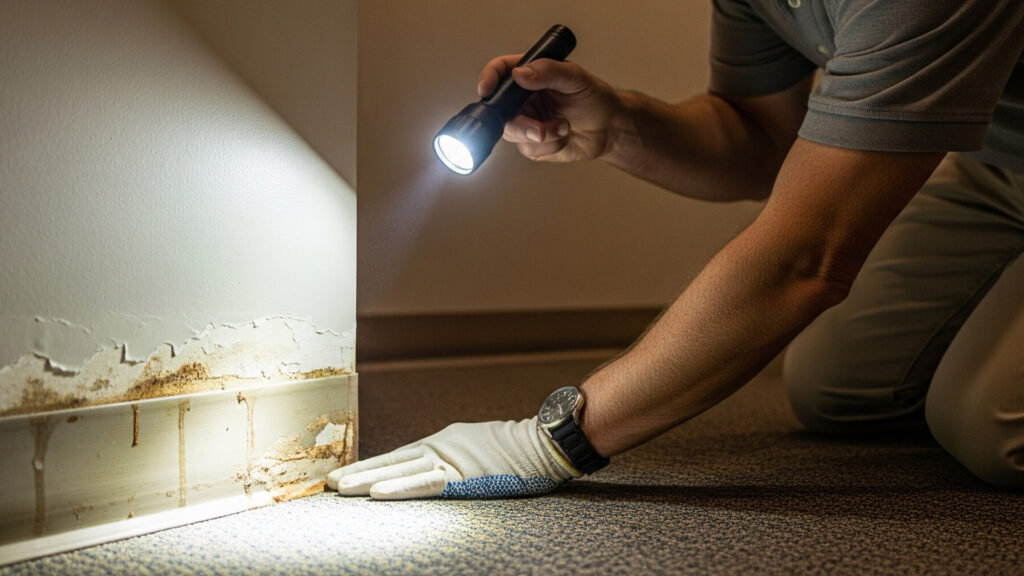
As property owners, ensuring the safety of our occupants is a top priority. This means proactively addressing potential environmental health hazards beyond routine maintenance. At EnviroNYC, we help you create a safe and healthy environment in both commercial and residential properties. By understanding and preventing common hazards, you can protect your investment and avoid costly…
Read More