
If your property was constructed before 1978, the potential for lead-based paint is a serious, unavoidable reality. As environmental health experts serving NYC, ENVIRO NYC recognizes that proactive identification is the first critical step in preventing lead poisoning. We are here to help you understand the common indicators and navigate your options to maintain a safe, compliant property for your tenants and family.

Age and History Are the Primary Indicators
The most significant red flag for the presence of lead paint is the age of the structure itself. In New York City, regulations are particularly focused on buildings constructed before 1960, though any structure built before the 1978 national ban is suspect. We strongly recommend that owners of older properties in areas like Brooklyn, NYC, operate under the presumption that lead-based paint exists until a certified test proves otherwise. This proactive stance ensures we can begin effective risk mitigation immediately.
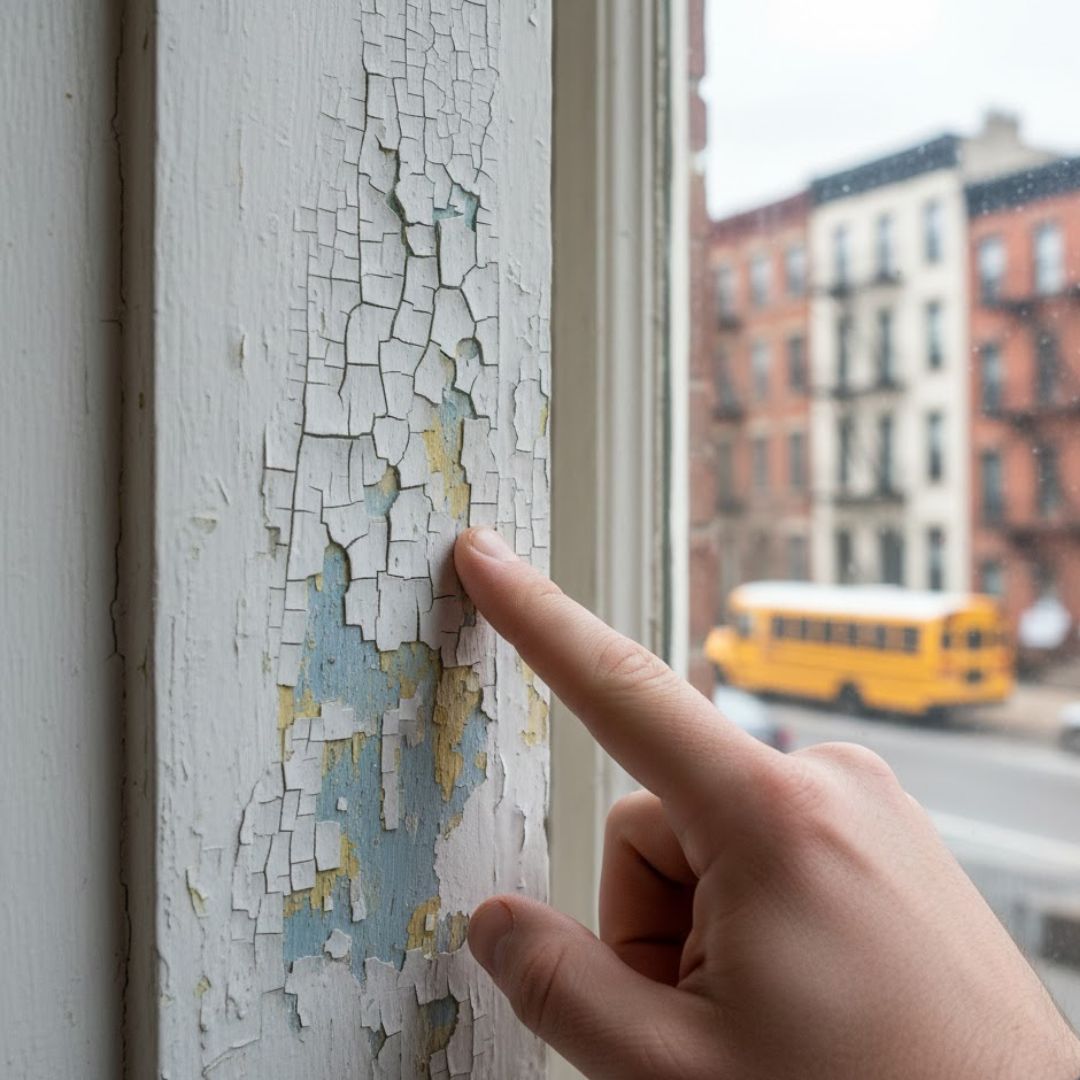
Look Closely at Peeling and Deteriorated Paint
Unlike modern paint, lead-based paint tends to peel and flake in a distinct, “alligator skin” pattern or small, chalky chips. This deteriorated paint is the leading cause of lead exposure, as the chips or resulting dust can be easily ingested by young children. When inspecting your property, pay close attention to high-contact areas, including window sills, door frames, and baseboards, where wear and tear is common. A visual assessment is a vital starting point.
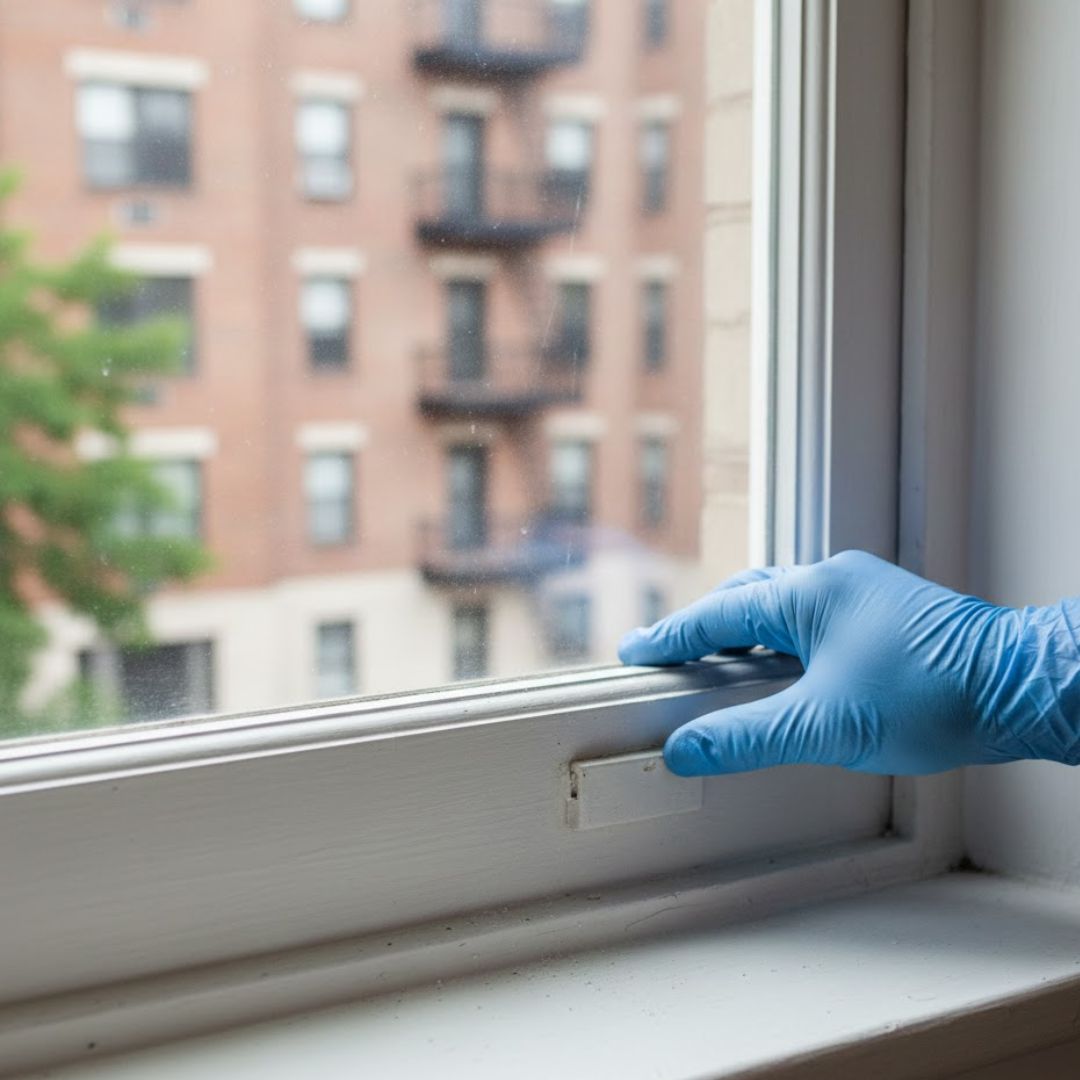
Friction and Impact Surfaces Present the Greatest Risk
Any surface that rubs together—known as friction surfaces—can generate hazardous lead dust, even if the paint looks intact. Think of the parts of a window that slide or the edges of a door that hit the frame. These areas, along with impact surfaces like railings and trims that are frequently touched, pose a high lead poisoning risk. Regular inspection of these specific locations in your units is crucial to staying ahead of compliance issues.
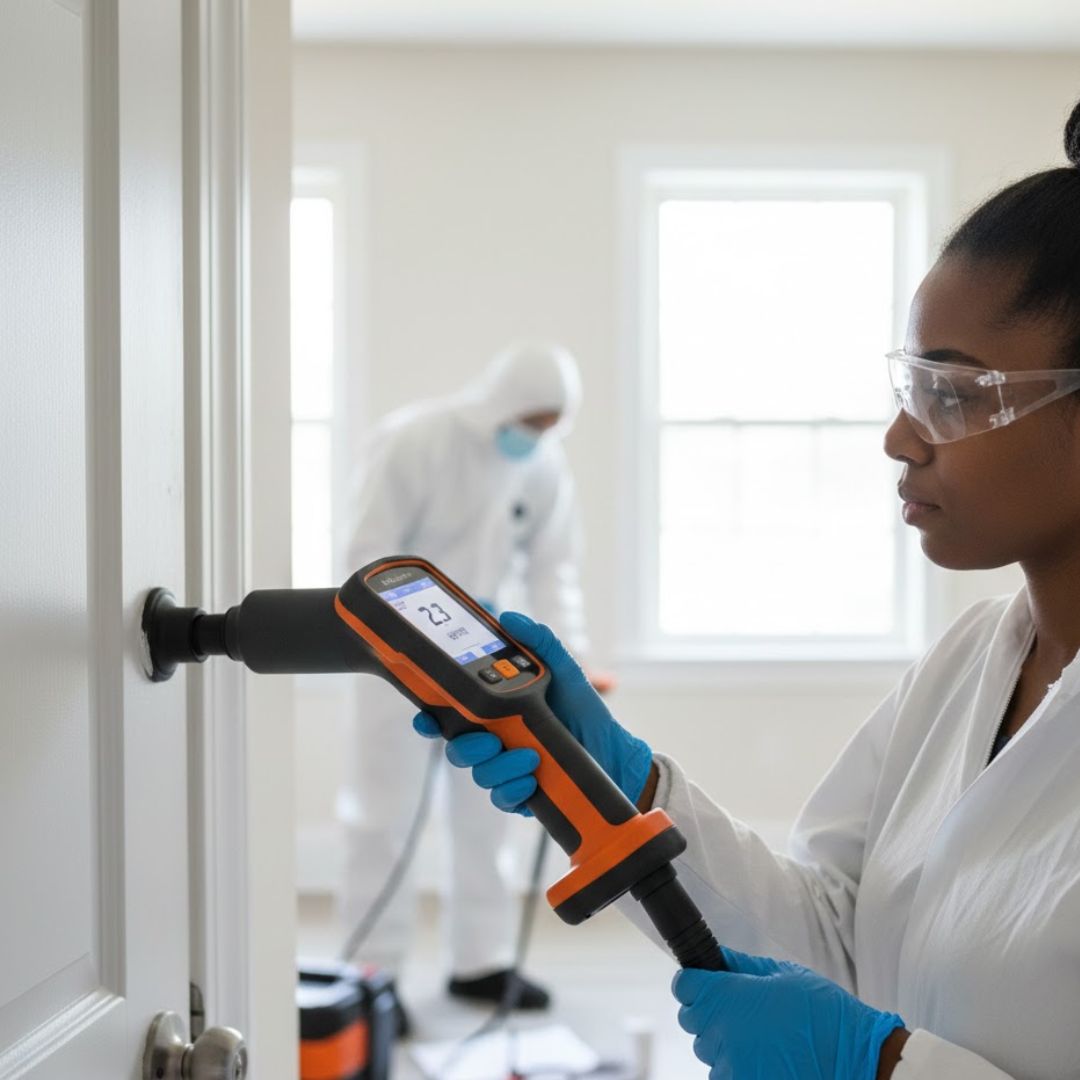
The Only Way to Know for Sure is Professional Testing
While visual signs can raise a strong suspicion, an EPA-certified professional using XRF (X-ray Fluorescence) technology is the only reliable way to confirm the presence of lead. This non-destructive process accurately measures lead concentrations in the paint, which is required for compliance with Local Law 31. We provide expert lead paint testing in Brooklyn, NYC, to deliver clear, immediate results, giving property owners the peace of mind that comes with accurate data.
We understand the complexity of managing lead-based paint risks and compliance in New York City. At ENVIRO NYC, we specialize in making the process of testing and lead paint removal in Brooklyn, NYC, simple and affordable for property owners. Our certified professionals use clear communication and proven, effective methods to protect your residents’ health and your investment from costly HPD violations. Contact us today to learn more about our comprehensive testing and abatement solutions.
Contact Us