As a landlord in New York, efficiently managing apartment turnovers is crucial for maintaining revenue and tenant satisfaction. A well-organized checklist can help you streamline the process, ensuring you cover all necessary bases from lead abatement to addressing environmental hazards.

Conduct Lead Abatement Inspection
Prioritize safety by conducting a lead abatement inspection before a new tenant moves in. Properties built before 1978 may contain lead paint, posing health risks to occupants. Hire licensed professionals to assess and remediate any lead hazards to ensure compliance with local regulations. Ignoring this step could result in severe health implications and legal repercussions.
Assess Environmental Hazards
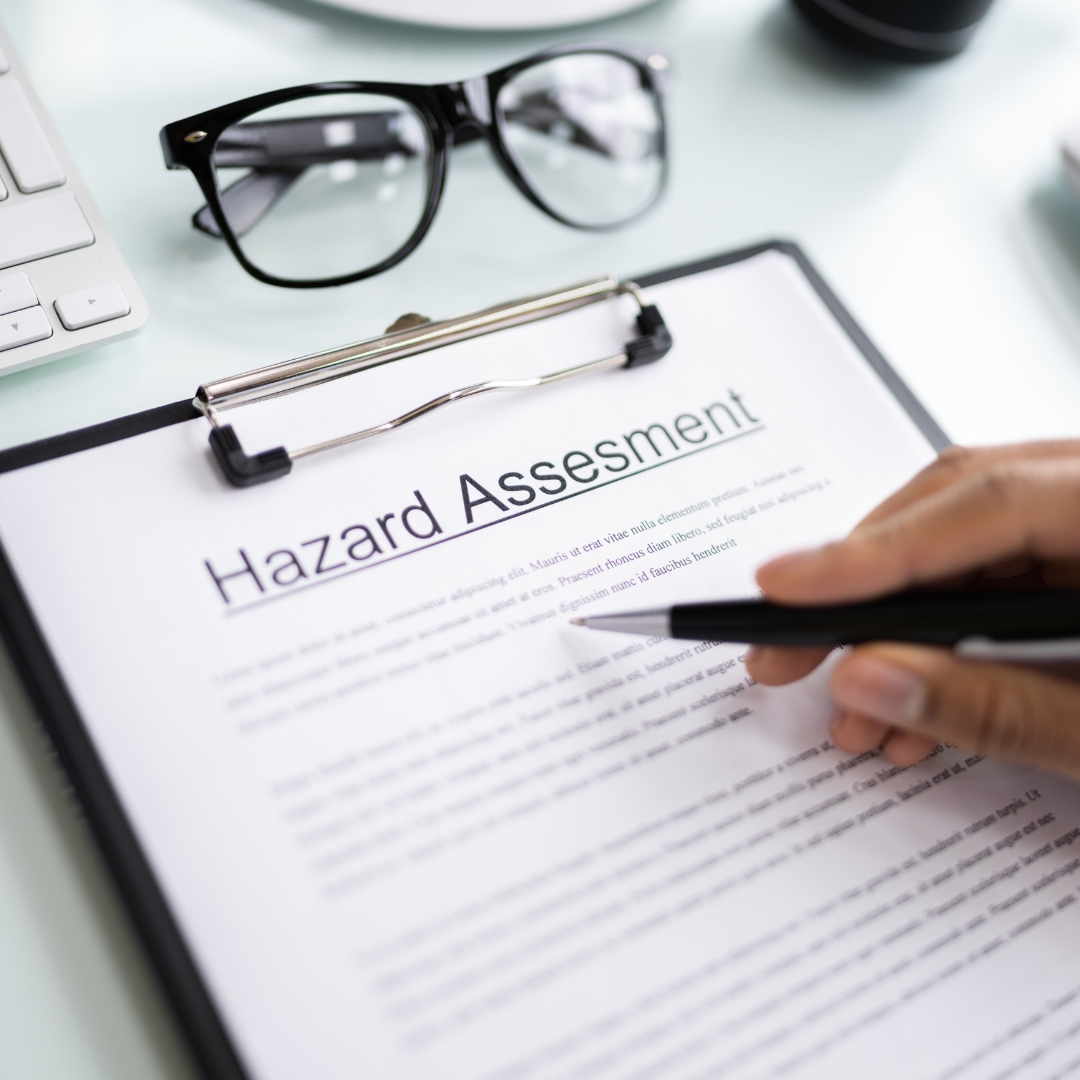
An apartment turnover is the perfect time to evaluate for broader environmental hazards beyond lead paint. Check for mold, pests, and structural issues that may affect tenant safety. Addressing these risks not only protects your tenants but also preserves the longevity and value of your property.

Deep Clean and Repair
Once safety inspections are complete, focus on deep cleaning the apartment. This includes carpet cleaning, dusting, and sanitizing surfaces. Additionally, conduct any necessary repairs such as fixing leaky faucets, patching walls, or replacing worn-out fixtures. A clean, well-maintained space creates a welcoming environment for new tenants.

Thorough Documentation and Communication
Document all inspections, repairs, and cleaning performed during the turnover process. Clear communication with incoming tenants regarding safety measures taken will build trust and establish a positive landlord-tenant relationship. Provide them with information about lead abatement efforts and how they can maintain a safe living environment.
Streamlining your apartment turnover process not only saves time and effort but also ensures compliance and tenant safety. For thorough inspections and assistance in lead abatement, contact EnviroNYC today!